
How much do you know about your garage door? The springs? The panel? The rollers? The controller? Of course, these are main parts of the assembly. But the complete working of a garage door depends on many other small parts. These small parts are often overlooked.
One such part is called garage door weather stripping. It performs a very important function. It seals the door and blocks outside elements. When it wears out, the garage door may seem to function normally. But after some time, you may notice some signs.
Here’s the detailed information on weather stripping, affects of damage and when it should be replaced.
What Is Garage Door Weather Stripping and Why Is It Important?
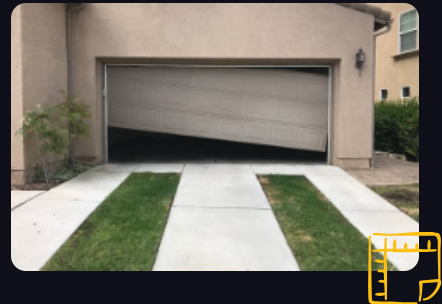
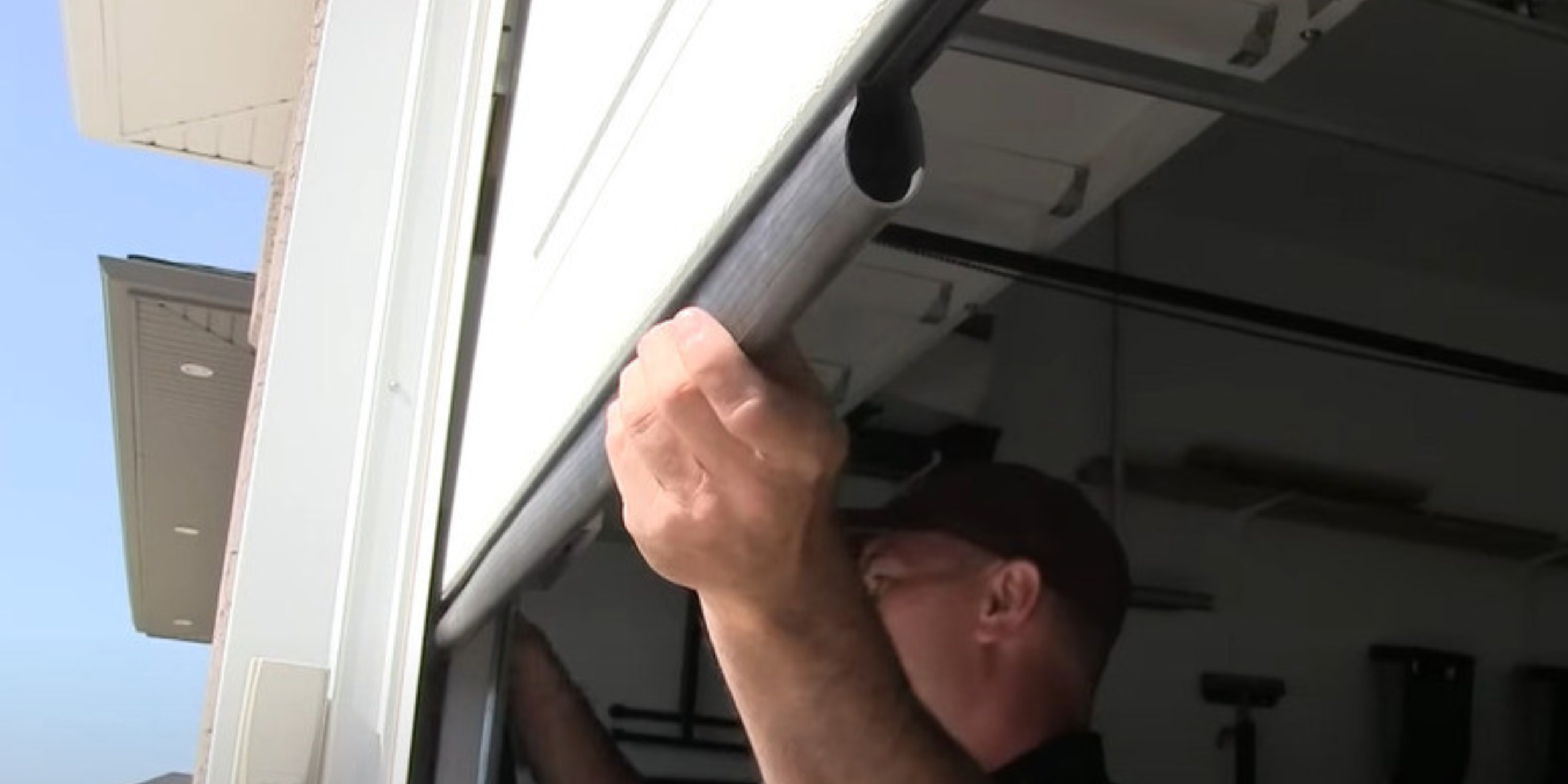
Garage door weather stripping is placed at the bottom of a garage door and sometimes along the sides to create a tight seal against the elements. It helps keep out outside air, water, dust, and pests while improving your garage’s energy efficiency. During a Garage Door Repair, inspecting and replacing worn weather stripping is an important step to ensure your garage door seals properly, operates efficiently, and protects your home from moisture, debris, and unwanted insects. If the garage door weather seal gets damaged or is not installed properly, it can let in:
- Rainwater and moisture
- Cold wind in winter
- Hot air in summer
- Dust, leaves and debris during windy weather
- Insects and small pests
A tight seal will keep your garage well maintained. The energy efficiency of your house increases. And the area remains preserved.
Signs Your Garage Door Weather Stripping Needs Replacement
The damage caused to weather stripping is gradual. It keeps doing its job until it wears down. The signs are not obvious. But over time, you see certain differences in your garage and home:
- Visible cracks – The rubber shield becomes brittle. Small cracks may appear. Or you may notice stiffness.
- Gaps under the door – If you look from the inside of the garage with lights turned off, you may see daylight coming in from under a closed door. This means the seal has shrunk and is no longer serving its purpose.
- Water coming inside – If you notice puddles or damp spots near the base of the door, especially after rain, it is a clear sign that the door is allowing the water in.
- Drafts inside the garage – Feeling outside air when the door is closed indicates gaps. It will affect the overall air conditioning of your house if it is connected with the garage.
- Pest and bugs – If rodents are finding their way into your garage or home, check the door seal. It often means there is a gap somewhere along the bottom.
Noticing any of these can be a sure sign of an inefficient seal. So, it’s time for a garage door bottom seal replacement before things get worse.
How Worn Weather Stripping Affects Your Home
Affecting your home’s HVAC system is one, a damaged seal can have worse effects throughout your home. If you don’t replace the seal soon, you may face the following problems:
- Higher energy bills. A damaged seal means outside air enters inside. Most garages are connected to the home interiors. Thus, air leaking through a poor seal affects the cooling or heating of the house.
- Water damage. Often, we store various things in our garage. Moisture and rainwater coming inside can damage these stored items. Over time, you may notice mould growing. This can even affect your health. It can damage the garage floor as well.
- Pest attack. Pests and rodents can easily enter through small gaps. When they find a way in, it becomes difficult to stop them.
- Reduced comfort. When a garage becomes dusty, damp or mouldy, it makes it harder to use the space. It can damage your vehicle and the stored stuff.
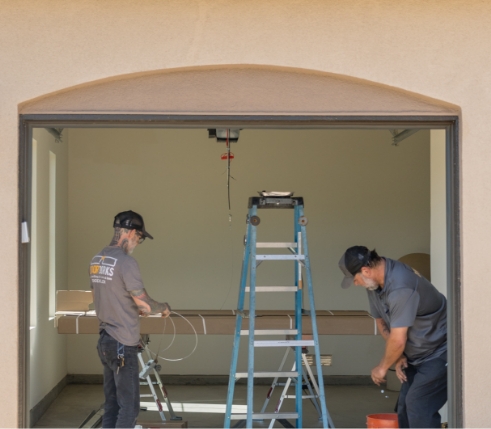
Thus, as soon as you notice damaged stripping, you must call Door Dorks garage door experts to remove it and get a new one installed.
Tips for Replacing and Maintaining Garage Door Weather Stripping
The weather seal of your garage door performs many important functions. However, it doesn’t demand much maintenance. It does take some attention, though. A few tips to help:
- Inspect it regularly. Check for cracks, gaps or wear. Make sure the seal is in place before extreme weather seasons start.
- Clean the track area. The seal can sit tightly against the ground only if it has a clear base. Dirt and debris accumulated on the ground don’t let it.
- Measure carefully before buying. When replacing the seal, measure it carefully. A garage door seal replacement with a mismatched size won’t serve the purpose.
- Choose quality materials. Higher-grade rubber or vinyl tends to last longer. These can resist cracking naturally. If the area you live in experiences extreme temperatures, your choice of seal matters. Ask the experts to make the best choice.
- Don’t wait too long. If you keep delaying the replacement, a worn seal will keep doing the damage. Fixing it early is far cheaper than dealing with the repercussions.
Conclusion
Garage door weather stripping might be a small part of your door. But it plays various important roles. Replacing weather stripping seems simple. But it only benefits when done propely. A small glitch and the whole effort is vain. Working with a professional for garage door repair and seal replacement ensures accurate measurements and proper fit. You get access to higher-quality materials. Door Dorks is a team of trained professionals who can spot other related issues and provide faster, cleaner installation.
FAQs
1. When to replace a garage door weather stripping?
Look for signs like:
· Cracks
· Gaps under the door
· Water intrusion
· Drafts
· Signs of pests
2. How often should garage door weather stripping be replaced?
It can last several years with care. Regular inspection helps you catch wear faster. Check the material quality before purchase.
3. Can damaged weather stripping increase my energy bills?
Yes. It creates gaps around the door that let outside air in. This affects your heating or cooling system.
4. Can I replace garage door weather stripping myself?
It may seem easy, but getting an exact fit can be tricky. You can try if you have experience and the right tools. Professional installation is recommended for the best results.
5. What type of weather stripping is best for a garage door?
Vinyl and rubber are both common choices. Rubber performs better in extreme temperatures. Vinyl is more affordable.