
A garage door opener is one of the most convenient parts of a modern garage system. With the press of a button, homeowners can open and close a heavy garage door without manually lifting it. But what happens when the power goes out? A standard opener may stop working, leaving your vehicle trapped inside or preventing you from safely entering your garage.
A Garage Door Opener with battery backup provides an important solution. It allows the opener to continue operating during a power outage, helping homeowners maintain access to their garage when electricity is unavailable. For homes that rely on the garage as a primary entrance, this backup capability can be particularly useful.
Whether the outage is caused by severe weather, electrical problems, an overloaded grid, or an unexpected emergency, a battery-backed opener provides an additional layer of convenience and preparedness.
What Is a Garage Door Opener With Battery Backup?
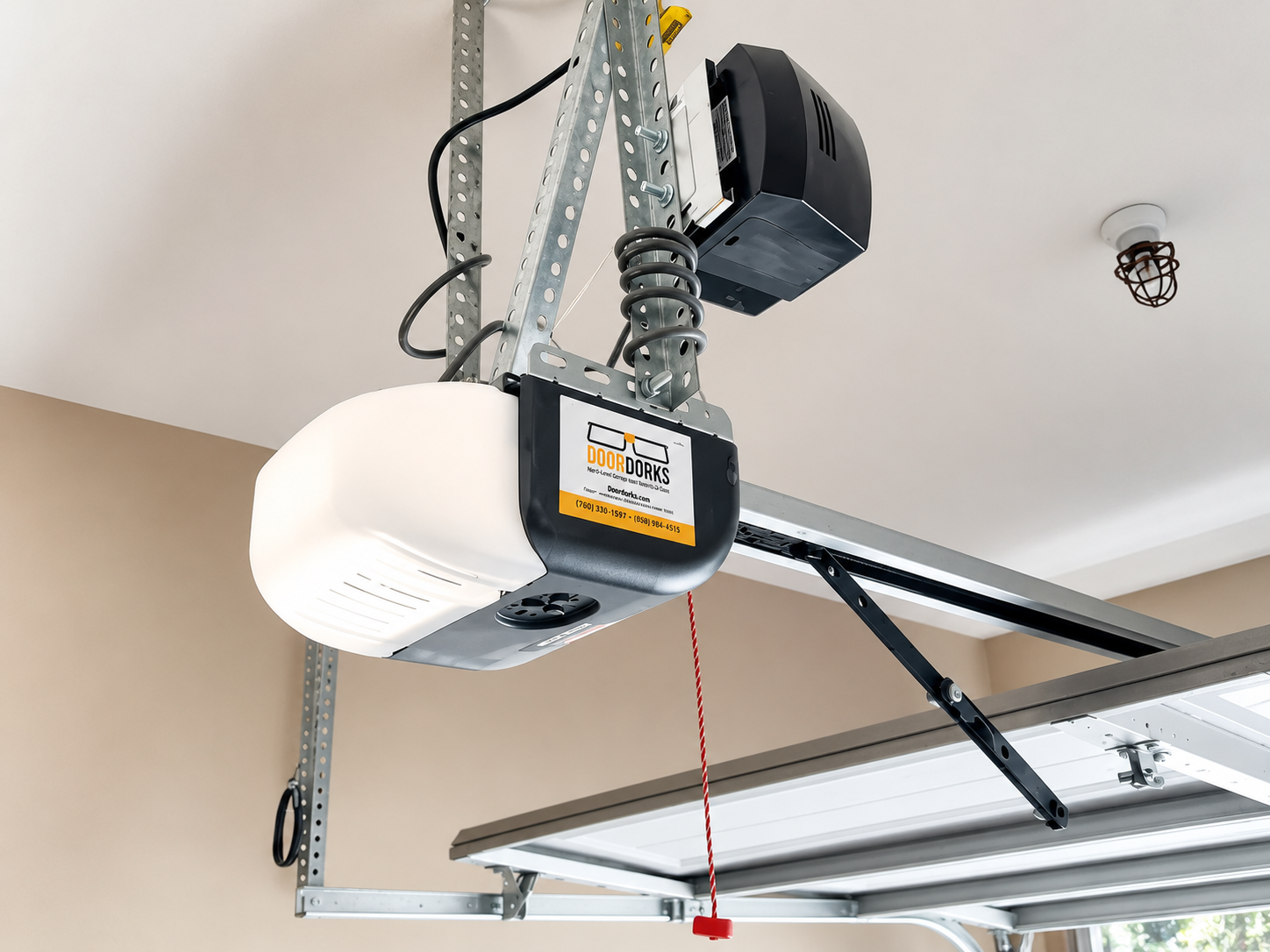
A garage door opener with battery backup is an automatic opener equipped with a rechargeable battery that supplies temporary power when the home’s electrical service is interrupted.
Under normal circumstances, the opener operates using household electricity. When the power goes out, the system automatically switches to its backup battery. This allows the motor to continue operating the garage door for a limited number of cycles, depending on the battery’s condition, opener design, door weight, and other factors.
The goal is not to provide unlimited operation. Instead, battery backup is designed to maintain essential garage access during a temporary power interruption.
Why Battery Backup Matters During a Power Outage
Power outages can happen without warning. Even a short interruption can create problems if your garage door is your primary way of entering or leaving your home.
Without backup power, an automatic opener may not function normally. While many garage doors can be manually released from the opener and lifted by hand, doing so may be inconvenient or difficult, particularly when the door is large, heavy, damaged, or when someone in the household has difficulty lifting it.
A battery backup system helps reduce this dependence on manual operation.
1. Maintains Garage Access
One of the biggest advantages of battery backup is continued access.
If the electricity goes out while your vehicle is inside the garage, a battery-powered opener can allow you to open the door normally. Likewise, if you arrive home during an outage, you may still be able to use the opener to access the garage.
This can be especially helpful when the garage serves as the main entrance to the house.
2. Provides Convenience During Emergencies
Unexpected outages can occur during storms, accidents, equipment failures, or other events. Having a backup power source means you do not necessarily have to immediately switch to manual operation.
A battery-backed opener can provide valuable convenience when you need to leave the home, return from work, retrieve supplies, or access items stored in the garage.
3. Helps During Severe Weather
Storms can cause electrical interruptions at the exact time homeowners need reliable access to their property.
During heavy rain, strong winds, or other severe weather, being able to operate the garage door without household electricity can be useful. It can help homeowners move vehicles into or out of the garage and maintain another functional access point.
A battery backup does not prevent storm damage, but it can help maintain garage-door functionality when electrical service is interrupted.
Battery Backup Can Be Important for Homes With Garage-Entry Dependence
Some homeowners rarely use their front door. Instead, they enter the house through an interior door connected to the garage.
In these homes, the garage door is more than a convenience. It is part of the household’s normal access routine.
If the garage door cannot open because of a power outage, homeowners may have to use another entrance or manually operate the door. A battery backup can reduce this inconvenience.
This is one reason battery backup should be considered when selecting or replacing an automatic garage door opener.
How Does a Battery Backup Garage Door Opener Work?
The system works similarly to a conventional automatic opener during normal operation.
The opener receives electricity from the home’s electrical system and uses its motor to move the garage door along its track. At the same time, the backup battery remains charged and ready for use.
When the electrical supply is interrupted, the opener switches to battery power.
The battery then supplies enough energy for the opener to operate the door for a limited number of cycles. Once normal electricity is restored, the battery can recharge so it is prepared for another outage.
The exact number of operations available during an outage varies between systems. Battery age, charging condition, temperature, door weight, and opener efficiency can all affect performance.
How Long Does a Garage Door Opener Battery Last?
There are two different questions homeowners commonly ask about battery backup: how long the battery operates during an outage and how long the battery itself remains usable.
During an outage, a properly maintained backup battery can provide several door-opening cycles, but the exact number depends on the specific opener and battery.
The battery itself also has a service life. Over time, rechargeable batteries lose their ability to hold a full charge. Eventually, the backup battery may need to be replaced.
Regular testing and maintenance can help identify a weak battery before an emergency occurs.
Signs Your Garage Door Opener Battery May Need Attention
A battery backup system can become less reliable as the battery ages.
Watch for signs such as:
- The backup system does not operate during a power interruption.
- The opener’s battery warning indicator appears.
- The battery does not seem to hold a charge.
- The opener makes warning sounds associated with battery condition.
- The door operates fewer times than it previously did during an outage.
- The battery is visibly damaged, swollen, or leaking.
- The backup system has not been tested for an extended period.
If you notice unusual battery behavior, professional inspection can help determine whether the battery, opener, or another component needs attention.
Battery Backup Does Not Replace Garage Door Maintenance
A battery backup provides emergency power, but it does not eliminate the need for regular garage door maintenance.
A garage door contains multiple moving and supporting components, including springs, rollers, cables, hinges, tracks, and other hardware. If these components become worn or damaged, the opener may have to work harder to move the door.
A properly balanced and maintained door allows the opener to perform its job more effectively.
Regular inspection can help identify issues before they become more disruptive. Maintenance may include checking door balance, inspecting hardware, examining cables and springs, testing safety features, and verifying that the opener operates properly.
Battery Backup and Garage Door Safety
Safety is another important consideration when selecting a garage door opener.
Modern automatic openers typically include safety mechanisms designed to help prevent the door from closing on an object or person. These systems should be tested periodically to confirm that they respond correctly.
Battery backup should be viewed as one component of a properly functioning garage door system rather than a substitute for safety inspections.
Homeowners should also make sure the opener’s emergency release mechanism is accessible and understood by everyone who may need to use it.
What Happens If the Battery Runs Out?
A battery backup is designed for temporary operation. It is not intended to keep the opener running indefinitely.
If the outage continues after the backup battery has been depleted, the opener may no longer operate automatically. At that point, homeowners may need to use the emergency manual release and operate the garage door by hand, assuming the door is in proper working condition.
For this reason, homeowners should not rely exclusively on battery backup for extended outages.
It is useful to understand how the manual release works before an emergency occurs. If the garage door is unusually heavy, damaged, or difficult to lift manually, professional assistance may be appropriate.
Is a Battery Backup Garage Door Opener Worth It?
For many homeowners, battery backup adds useful functionality to an automatic garage door system.
Its value becomes particularly apparent when:
- The garage is the primary entrance to the home.
- Power outages occur in the area.
- Severe weather can interrupt electrical service.
- Household members depend on reliable vehicle access.
- The garage contains essential equipment or supplies.
- Someone in the household may have difficulty manually lifting the door.
- Homeowners want additional emergency preparedness.
The decision ultimately depends on the home’s access needs, existing opener, garage door system, and expected outage conditions.
What to Consider Before Choosing a Battery Backup Opener
If you are replacing an old opener or installing a new system, consider several factors beyond battery backup.
Door Compatibility
The opener needs to be appropriate for the garage door’s size, weight, and operating configuration.
Battery Capacity
Check how the backup system is designed to perform during an outage and follow the manufacturer’s recommendations for battery maintenance and replacement.
Safety Features
Look for an opener equipped with appropriate safety and reversing mechanisms and make sure these features are tested regularly.
Remote Access
Some modern opener systems offer connected features that can provide additional control or monitoring. If these features matter to you, consider them alongside the basic opening and closing function.
Professional Installation
Correct installation matters because the opener interacts with the entire garage door system. If the door is improperly balanced or components are damaged, installing a new opener alone may not solve the underlying problem.
How to Maintain a Battery Backup Garage Door Opener
Proper maintenance can help keep the system dependable.
Test the Backup System
Periodically check whether the opener continues operating when household electricity is unavailable. Follow the opener’s specific testing instructions.
Monitor Warning Indicators
Pay attention to battery warning lights, sounds, or messages. These may indicate that the battery needs charging, inspection, or replacement.
Inspect the Garage Door
Look for unusual noises, jerky movement, damaged hardware, or changes in how easily the door opens and closes.
Keep the System Clean
Dust and debris can accumulate around various garage door components. Keeping the area clean can support smoother operation.
Schedule Professional Service
If the opener behaves differently, the door becomes difficult to operate, or the battery backup stops functioning, professional service can help identify the problem.
Battery Backup vs. Manual Garage Door Operation
Manual operation can provide a fallback when electricity is unavailable, but it requires physically lifting the garage door.
That may not be practical for every homeowner.
A battery-backed opener provides automatic operation for a limited number of cycles, while the emergency release provides a manual alternative when automatic operation is unavailable.
These functions complement each other. Homeowners should know how to use both.
When Should You Replace Your Garage Door Opener?
A garage door opener may eventually show signs that replacement is more practical than continued repairs.
Consider having the system inspected if it frequently stops working, produces unusual noises, struggles to move the door, has unreliable safety functions, or lacks features that are important to your household.
If the opener is older and does not have battery backup, upgrading can provide an opportunity to add this functionality while addressing other aging components.
However, the garage door itself should also be evaluated. An opener is only one part of the complete system.
Why Professional Garage Door Service Matters
Installing or servicing a garage door opener involves more than connecting the motor to an electrical outlet. The opener must work correctly with the door, springs, tracks, rollers, cables, safety mechanisms, and other components.
A professional inspection can help determine whether the existing garage door is suitable for a new opener and whether any underlying mechanical problems should be addressed first.
For homeowners who want help choosing, installing, maintaining, or troubleshooting a battery-backed Garage Door Opener, Door Dorks can help evaluate the garage door system and determine the appropriate service.
Frequently Asked Questions
1. What is the main benefit of a garage door opener with battery backup?
The primary benefit is that the opener can continue operating during a power outage for a limited number of cycles. This can help homeowners maintain garage access when household electricity is unavailable.
2. How many times can a battery backup garage door opener work during a power outage?
The number of cycles varies by opener and battery. Battery condition, door weight, system efficiency, and other factors can affect how many times the door can be opened and closed before the backup power is depleted.
3. Can I open my garage door manually if the battery backup stops working?
Many automatic garage door systems have an emergency manual release that allows the door to be operated by hand. Homeowners should understand how the release works and have the door inspected if it is unusually heavy or difficult to lift.
4. How do I know when my garage door opener battery needs replacement?
Warning indicators, reduced backup performance, failure to operate during an outage, and an aging battery can indicate that replacement may be necessary. A professional inspection can help determine the battery’s condition.
5. Is battery backup necessary for every garage door opener?
Not every homeowner has the same needs, but battery backup can be particularly useful when the garage is a primary entrance, reliable vehicle access is important, or power outages occur frequently. It provides an additional option for maintaining garage access when electricity is unavailable.
Final Thoughts
A garage door opener with battery backup can provide more than everyday convenience. It can help maintain access to your garage during unexpected power interruptions, severe weather, and other situations where household electricity is unavailable.
For homeowners who depend on their garage for daily entry, vehicle access, or storage, having an opener that can operate temporarily without electricity can be an important part of a reliable garage door system.
Battery backup should also be combined with proper garage door maintenance, safety testing, and professional inspections when problems occur. A dependable opener works best when the entire garage door system is properly maintained.
If your current opener does not have battery backup or you are experiencing problems with your existing system, Door Dorks can help assess your garage door and opener needs.
Schedule an appointment to have your garage door opener inspected, serviced, or evaluated for a battery backup upgrade.