
Reviewed by: Door Dorks (Garage Door Experts)
A malfunctioning garage door can quickly disrupt your day, whether you’re rushing to work or trying to secure your home at night. Because it is one of the largest moving systems in your house, even a small issue can affect safety, convenience, and security. Understanding the basics of garage door repair helps you identify common problems, perform simple maintenance, and recognize when professional service is the safest choice.
Some issues, such as dirty safety sensors or loose hardware, can often be resolved with basic maintenance. Others, including broken springs or damaged cables, require specialized tools and experience. Ignoring unusual noises, slow movement, or inconsistent operation can lead to more extensive damage over time.
This guide explains how to diagnose common garage door problems, which repairs are safe to handle yourself, and when it’s time to contact experienced professionals like Door Dorks for dependable service. Whether you’re searching for answers about a door that won’t close properly or comparing your options before scheduling a repair, this guide provides practical information to help you make the right decision.
Quick Diagnostics: Why Your Garage Door Isn’t Working
Before assuming your garage door needs a major repair, start with a few simple diagnostic checks. Many operational problems stem from minor issues that are easy to identify.
The Door Closes but Immediately Reverses
If your garage door touches the ground and immediately reverses, the safety system is likely detecting an obstruction. Modern garage doors are designed to prevent accidents by reversing whenever the sensors believe something is blocking the doorway.
Dust, spider webs, leaves, or slightly misaligned sensors are common causes. Before scheduling service, inspect both sensors near the bottom of the tracks and ensure they face each other directly.
If cleaning and realigning the sensors doesn’t solve the issue, you may need professional assistance to determine whether wiring, sensor failure, or opener settings are causing the problem. Many homeowners searching how to fix garage door sensor discover that proper alignment resolves the issue without requiring replacement.
The Opener Runs but the Door Won’t Move
Hearing the opener motor while the door remains stationary usually indicates that the emergency release has been activated or an internal drive component has failed.
Check whether the red emergency release cord has accidentally disengaged the trolley from the opener carriage. This frequently happens after power outages or manual operation.
If reconnecting the opener doesn’t restore movement, internal gears or drive components may require professional inspection.
The Door Opens a Few Inches and Stops
One of the most common service calls involves a garage door opens a few inches then stops situation. Although it may appear to be an opener issue, the real cause is often a broken spring or excessive door weight.
When torsion springs lose tension, the opener can no longer lift the full weight of the door safely. Continuing to operate the opener under these conditions may damage the motor.
| Symptom | Possible Cause | Recommended Action |
| Door reverses while closing | Dirty or misaligned sensors | Clean and realign sensors |
| Opener runs but door stays still | Emergency release engaged | Reconnect opener |
| Door opens slightly then stops | Broken spring or travel limit issue | Professional inspection |
| Door won’t close | Sensor obstruction | Inspect safety sensors |
| Loud grinding noises | Worn rollers or damaged hardware | Schedule service |
If these basic troubleshooting steps don’t solve the problem, contacting an experienced technician can prevent additional damage and reduce repair time.
Safe DIY Fixes You Can Do Right Now
Not every garage door issue requires professional service. Regular maintenance can extend the lifespan of your system and improve daily performance.
How to Clean and Align Your Safety Sensors
Safety sensors should remain clean and properly aligned throughout the year. Even a thin layer of dirt can interfere with the infrared beam that tells the opener the path is clear.
Turn off power to the opener before cleaning the sensor lenses with a soft microfiber cloth. Avoid harsh chemicals that may scratch the protective surface.
After cleaning, verify both sensors point directly at one another. Most systems display indicator lights that confirm correct alignment. If one light continues blinking, slight adjustments may restore proper operation.
Many homeowners searching how to fix garage door sensor successfully resolve the issue by performing this simple maintenance.
The Correct Way to Lubricate Moving Parts (And What to Avoid)
Proper lubrication reduces friction, minimizes noise, and extends the life of moving components.
Focus on:
- Rollers
- Hinges
- Bearings
- Springs (light application)
- Metal pivot points
Avoid applying grease to the tracks. Instead, keep tracks clean and free from dirt or debris. Excess grease attracts dust and may actually reduce performance over time.
Use a garage-door-specific silicone or lithium-based lubricant designed for moving mechanical parts.
Resetting Your Emergency Release Cord
The emergency release allows manual operation during power outages, but it must be reconnected correctly afterward.
With the garage door fully closed, pull the emergency release toward the opener until the trolley reconnects. Then operate the opener once to verify smooth engagement.
If the trolley refuses to reconnect or repeatedly disengages, additional inspection may be necessary.
Regular preventive maintenance significantly reduces unexpected breakdowns and helps avoid larger repairs later. However, when problems involve springs, cables, or structural components, professional service remains the safest solution.
When your garage door refuses to operate properly or you notice signs of mechanical damage, don’t wait until the issue becomes an emergency. Door Dorks provides professional inspections, accurate diagnostics, and dependable repair solutions to restore your garage door safely and efficiently.
Danger Zone: Repairs You Should Never Attempt Yourself
While routine maintenance can prevent many issues, certain repairs should always be left to trained professionals. Garage doors weigh hundreds of pounds, and several components operate under extreme tension. Attempting complex repairs without the proper tools or experience can lead to serious injuries and additional damage.
Broken Torsion Springs: A High-Tension Hazard
Torsion springs counterbalance the weight of your garage door, making it possible for the opener to lift and lower the door smoothly. Over time, these springs wear out after thousands of opening and closing cycles. When one breaks, the door may become extremely heavy, stop moving altogether, or only lift a few inches before stopping.
Many homeowners searching for broken garage door spring repair hope it’s a quick DIY project. Unfortunately, replacing torsion springs is one of the most dangerous garage door repairs. These springs are wound under significant tension, and improper handling can cause them to snap unexpectedly.
Signs of a broken spring include:
- A loud bang coming from the garage.
- The door feels unusually heavy.
- The opener strains but cannot lift the door.
- A visible gap appears in the torsion spring.
If you notice any of these symptoms, stop using the garage door immediately. Continuing to operate the opener can damage the motor and other components. Instead, contact a qualified technician who has the proper equipment to replace the spring safely.
Snapped Lifting Cables and Twisted Tracks
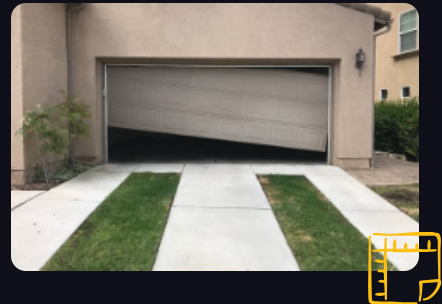
Garage door cables work alongside the springs to lift and lower the door evenly. When a cable frays, snaps, or slips off the drum, the door may become crooked, jam inside the tracks, or refuse to move.
Likewise, bent or twisted tracks can prevent smooth operation and place additional stress on rollers and hinges. Forcing the door open or closed may worsen the damage and create a safety hazard.
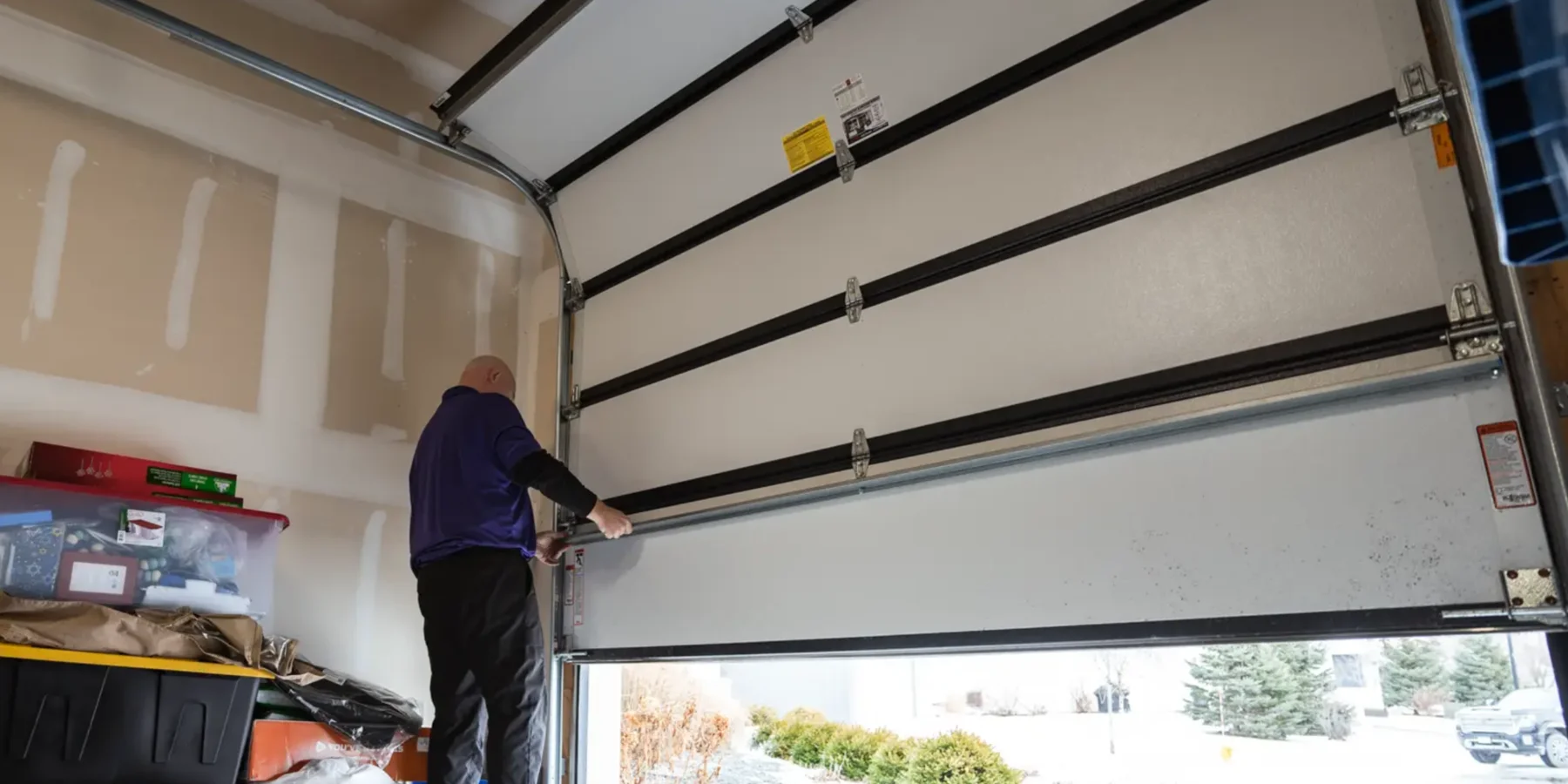
Professional technicians inspect the entire lifting system—not just the damaged component—to ensure every part functions correctly after the repair.
If your vehicle is trapped inside the garage or your door won’t close securely, searching for emergency garage door repair near me is the safest solution. Experienced professionals like Door Dorks can quickly diagnose the issue, restore safe operation, and help prevent additional damage.
Cost Guide: What Should You Expect to Pay?
One of the first questions homeowners ask is about garage door repair cost. While every repair is different, understanding the factors that influence pricing helps you prepare before scheduling service.
Several elements affect repair costs, including:
- Type of repair required.
- Garage door size and material.
- Age of the system.
- Replacement parts needed.
- Emergency or after-hours service.
- Labor complexity.
| Repair Type | Relative Cost | Professional Recommended |
| Sensor Cleaning & Alignment | Low | Sometimes |
| Roller Replacement | Moderate | Yes |
| Track Adjustment | Moderate | Yes |
| Cable Repair | High | Yes |
| Broken Spring Replacement | High | Always |
| Complete Door Replacement | Highest | Always |
Although minor maintenance may only require a simple adjustment, larger mechanical repairs involve specialized tools and safety procedures.
Repair vs. Replace: When Is It Time for a Brand-New Door?
Repairing your existing garage door is often the most practical choice when the damage is isolated. However, repeated breakdowns, extensive structural damage, or an aging system may make replacement a better long-term investment.
| Repair Your Door When… | Replace Your Door When… |
| Sensors need adjustment | The door has severe structural damage |
| Rollers or hinges are worn | Multiple major components have failed |
| One spring requires replacement | The door is more than 20 years old |
| Tracks need minor alignment | Panels are badly warped or rusted |
| Opener requires servicing | Energy efficiency and security are outdated |
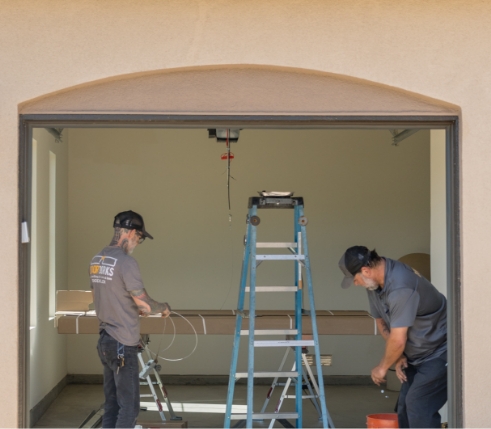
A professional inspection can help determine which option offers the best long-term value. Door Dorks provides honest recommendations based on your door’s condition rather than suggesting unnecessary replacements.
How to Choose a Trustworthy Local Repair Technician
Choosing the right company is just as important as fixing the problem itself. A reputable garage door technician should provide clear communication, transparent recommendations, and quality workmanship.
Look for companies that:
- Have strong local reviews and customer testimonials.
- Offer licensed and insured technicians.
- Provide written estimates before beginning work.
- Explain the repair process clearly.
- Stand behind their workmanship with service guarantees.
Whether you need routine maintenance or emergency garage door repair near me, working with an experienced local company helps ensure the repair is completed safely and correctly the first time.
Red Flags: How to Avoid Garage Door Scams
Unfortunately, not every repair company operates with the same level of professionalism.
Watch for these warning signs:
- Extremely low quotes that increase after arrival.
- Pressure to replace your entire door without inspection.
- No business address or online reputation.
- Cash-only payment requests.
- Refusal to explain the repair or show damaged parts.
A trustworthy company prioritizes customer education and recommends only the repairs your garage door actually needs.
If your garage door isn’t operating as it should, don’t ignore the warning signs. Minor issues can quickly become expensive repairs when left untreated. Whether you’re dealing with noisy rollers, faulty sensors, or need broken garage door spring repair, the experienced team at Door Dorks is ready to help. Schedule an inspection today and restore your garage door’s safety, reliability, and performance with professional service you can trust.
Frequently Asked Questions
How much does it cost to repair a garage door?
The garage door repair cost depends on the type of repair, the parts required, the age of the door, and the complexity of the work. Simple adjustments generally cost less than major component replacements. A professional inspection provides the most accurate estimate.
Why does my garage door open a few inches and then instantly stop?
If your garage door opens a few inches then stops, the problem may be caused by a broken torsion spring, damaged cables, travel limit settings, or an overloaded opener. A technician can identify the exact cause and recommend the appropriate repair.
Can I replace a broken garage door spring myself?
No. Broken garage door spring repair should always be performed by trained professionals. Torsion springs are under extreme tension and can cause severe injuries if handled improperly.
What kind of lubricant should I use on my garage door?
Use a silicone-based or garage-door-specific lithium lubricant on rollers, hinges, bearings, and springs. Avoid using heavy grease on the tracks, as it attracts dirt and can interfere with smooth operation.
Why is my garage door opener light flashing and the door won’t close?
A flashing opener light often indicates that the safety sensors are blocked, dirty, or misaligned. Cleaning the lenses and ensuring both sensors face each other usually resolves the issue. If the problem continues, the sensors or wiring may require professional inspection.