
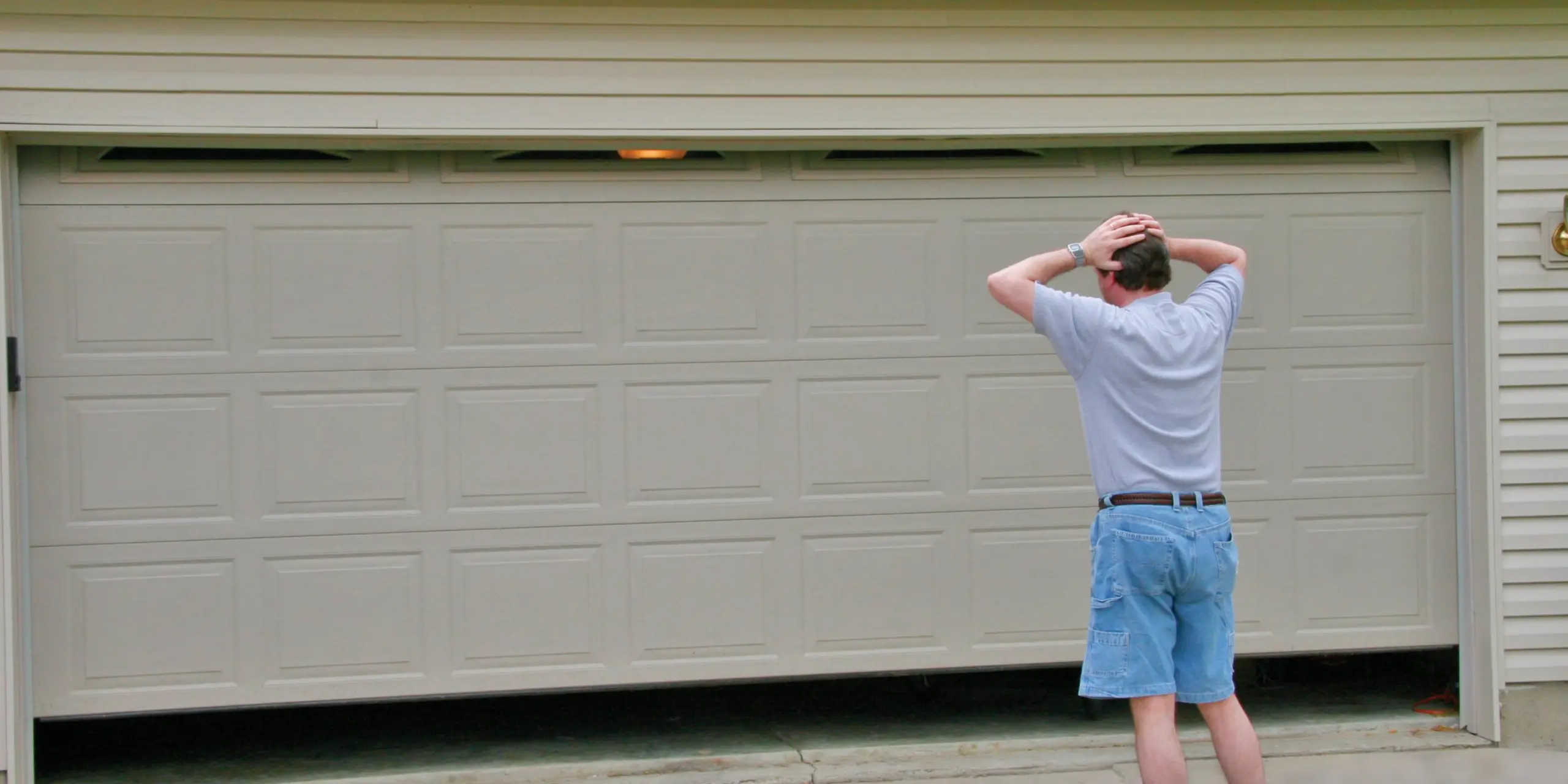
A malfunctioning garage door can quickly disrupt your daily routine and create serious safety concerns. Whether the door refuses to open, reverses unexpectedly, or produces unusual noises, even minor issues can become costly if ignored. Because garage doors operate through a combination of springs, tracks, sensors, cables, and motors, identifying the source of the problem early is important for maintaining safe and reliable performance.
Many homeowners experience issues such as a garage door not opening properly, delayed response from the opener, or uneven movement during operation. While some situations can be resolved with simple inspections and maintenance, others require professional repair to avoid injuries or further damage.
This guide covers practical garage door troubleshooting steps, common warning signs, and useful garage door repair tips that can help homeowners understand when basic maintenance is enough and when professional assistance from companies like Door Dorks may be necessary.
Basic Power and Manual Checks
Before assuming the system has a major mechanical problem, begin with a few simple checks. Many garage door issues are caused by disconnected power sources or manual lock settings.
Verify the Power Supply
If the opener does not respond at all, inspect the electrical connection first. Make sure the opener is plugged securely into a functioning outlet. A tripped circuit breaker or blown fuse may interrupt power to the system.
Testing the outlet with another device can help confirm whether electricity is reaching the opener correctly.
Inspect the Manual Lock
Some garage doors include manual side locks that may accidentally remain engaged. When locked, the opener motor may run while the door itself remains stationary.
Check both sides of the garage door for active locking mechanisms before assuming larger repairs are needed.
Examine the Emergency Release Cord
Garage door systems use an emergency release cord to disconnect the opener during emergencies or power outages. If this cord has been pulled accidentally, the opener may operate without lifting the door.
Reconnect the trolley according to the manufacturer’s instructions and test the system again.
Test Door Balance
A balanced garage door should remain in place when lifted halfway manually. If the door drops quickly, rises unexpectedly, or feels unusually heavy, the spring system may be worn or damaged.
Because springs operate under high tension, homeowners should avoid adjusting them without proper training.
These basic garage door repair tips can often solve smaller operational problems before more extensive repairs become necessary.
External Controls
In some cases, the garage door itself is functioning properly, but the controls used to operate it are not working correctly.
Replace Remote Batteries
Weak batteries are one of the most common causes of garage door opener problems. Replacing the batteries may restore proper signal strength and improve responsiveness.
Reprogram the Remote
Power outages or electrical surges may reset remote programming. Following the opener manufacturer’s instructions can help reconnect the remote to the system.
Inspect the Wall Control Panel
If the wall switch works while the remote does not, the issue likely involves the remote itself. If neither control responds, the opener’s internal wiring or circuit board may require inspection.
Reduce Signal Interference
Electronic devices, LED lights, and nearby wireless equipment can interfere with opener signals. Testing the remote after temporarily removing nearby electronics may help identify interference issues.
Understanding these smaller control-related concerns is an important part of effective garage door troubleshooting.
Safety Sensors
Garage door safety sensors are designed to prevent the door from closing when objects or people are detected in its path. When the sensors malfunction, the door may stop, reverse suddenly, or refuse to close completely.
Clean the Sensor Lenses
Dust, dirt, and debris can block the sensor beam and affect operation. Carefully cleaning the lenses with a soft cloth may restore proper performance.
Check Sensor Alignment
Both sensors must face each other directly to communicate properly. Misaligned sensors are a common reason for garage door closing issues.
Most systems include indicator lights that help confirm proper alignment.
Inspect Wiring Connections
Loose or damaged wiring near the sensors can interrupt communication with the opener. Look for disconnected wires, corrosion, or visible wear near the brackets.
Remove Nearby Obstructions
Storage containers, bicycles, or tools placed near the tracks may block the sensor beam. Keeping the area clear helps maintain safe operation.
Sensor-related problems are among the most frequent causes of a garage door not opening or closing consistently.
Motor and Mechanical Issues
If the opener produces sound but the door moves unevenly or struggles to operate, the issue may involve the motor or other moving components.
Listen for Unusual Noises
Grinding, squeaking, or rattling noises often indicate worn rollers, loose hardware, or insufficient lubrication.
Identifying unusual sounds early may help prevent larger mechanical failures.
Tighten Loose Hardware
Garage door systems experience constant vibration during operation. Over time, bolts, hinges, and brackets may loosen and affect performance.
Carefully tightening visible hardware can improve stability and reduce unnecessary movement.
Lubricate Moving Parts
Proper lubrication helps reduce friction and extends the lifespan of rollers, hinges, and springs. Use a garage door lubricant specifically designed for moving mechanical components.
Avoid heavy grease because it may collect dirt and create buildup inside the tracks.
Inspect the Tracks
Bent tracks or debris buildup can prevent smooth movement. Examine both tracks carefully for dents, obstructions, or alignment issues.
Minor debris can often be cleaned easily, but damaged tracks should be repaired by professionals.
Evaluate the Garage Door Opener
Older opener systems may struggle with worn gears, damaged motors, or electrical failures. If the opener hums without lifting the door, internal mechanical problems may exist.
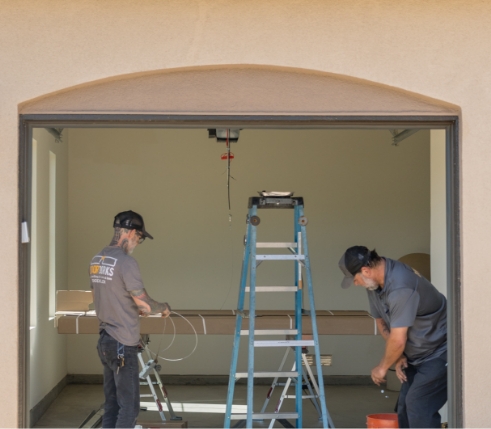
Professional technicians from Door Dorks can safely inspect opener systems and recommend reliable repair solutions.
Springs and Cables
Garage door springs and cables support the full weight of the door during operation. Because these components remain under high tension, they should always be handled with caution.
Signs of Broken Springs
A broken spring can place extra strain on the opener and make the door difficult to lift manually.
Common warning signs include:
- Loud snapping noises
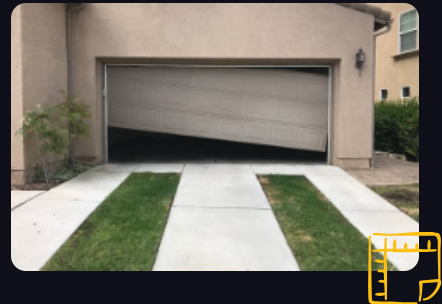
- Crooked door movement
- Visible spring gaps
- Door stopping halfway
- Heavy lifting resistance
Ignoring damaged springs may lead to additional system damage over time.
Inspect Lift Cables
Lift cables guide the garage door during opening and closing. Frayed or loose cables can create uneven movement and increase the risk of sudden failure.
Avoid DIY Spring Repairs
Repairing springs or cables without professional training can be extremely dangerous. These components contain significant tension and may cause serious injuries if handled improperly.
For safety reasons, professional repair is strongly recommended for spring and cable problems.
When Garage Door Problems Require Professional Repair
While homeowners can perform basic inspections and maintenance, some garage door issues require immediate professional attention.
You should contact a technician if you notice:
- Broken torsion or extension springs
- Snapped or frayed cables
- Garage doors off track
- Burning smells from the opener motor
- Severe grinding noises
- Door panels bending or cracking
- Opener motor failure
- Sudden door drops during operation
Delaying repairs may increase the risk of injury and lead to more expensive damage later.
Experienced companies like Door Dorks can diagnose complex problems safely and restore proper system performance.
Preventive Maintenance Tips
Routine maintenance plays an important role in extending the lifespan of garage door systems.
Homeowners should:
- Lubricate moving parts regularly
- Inspect rollers and hinges for wear
- Clean safety sensors
- Tighten loose hardware
- Test door balance periodically
- Schedule annual professional inspections
Preventive maintenance can reduce unexpected breakdowns and improve long-term reliability.
Conclusion
Garage door systems rely on multiple components working together smoothly and safely. Problems involving sensors, springs, cables, tracks, or openers can quickly affect both convenience and home security if left unresolved.
By following practical garage door troubleshooting methods and performing routine inspections, homeowners can often identify smaller issues before they become major repairs. However, high-tension components and electrical systems should always be handled by trained professionals.
Routine service, timely repairs, and preventive maintenance can help homeowners avoid costly breakdowns and keep garage doors operating safely throughout the year.
FAQs
1. Why is my garage door not opening completely?
This may happen because of damaged springs, sensor problems, track obstructions, or opener motor issues.
2. How often should garage door systems be serviced?
Most garage door systems should receive professional maintenance at least once a year.
3. What causes garage doors to make loud noises?
Worn rollers, loose hardware, dry moving parts, or damaged springs are common causes of unusual garage door noises.
4. Can cold weather affect garage door performance?
Yes, low temperatures can stiffen lubricants, affect opener performance, and increase strain on moving components.
5. When should I replace instead of repair my garage door opener?
Replacement may be recommended if the opener is outdated, frequently breaks down, lacks safety features, or becomes too costly to repair.