
A garage door problem does not always mean you need a new door. Sometimes, a simple repair can restore safe, reliable operation. In other cases, continuing to repair an engaging or heavily damaged garage door can cost more than replacing it.
So, how do you know the option makes sense?
Before spending money, look at the door age, repair costs, structural condition, safety features, and long term needs. Asking the right questions can help you avoid unnecessary repairs and make a more practical investment in your home and office.
1. How Old Is Your Garage Door?
A typical well maintained garage door can last 15 to 20 years, although its actual lifespan depends on materials, usage, installation, maintenance, and local condition.
If your door is newer and has one failed component, repairing it is often the practical choice. On the other hand, if it is older and you are repeatedly replacing springs, rollers, cables, panels, or other components, replacement may offer better long term value.
Note: Age alone does not mean a door needs replacement. Age combined with frequent problems is a stronger warning sign.
2. How Much Will the Repair Cost?
Before approving any repair, you must get detailed estimates.
Replacing a single worn spring, roller, cable, or sensor may be relatively inexpensive. Cost can rise quickly when several components need attention or when you have damaged panels, bent tracks, or an aging opener.
A useful rule of thumb is to compare the repair estimate with the cost of a new door. If repairs are approaching half the replacement cost, compare both options carefully, particularly when the door is already old or has a history of breakdowns.
Note: Don’t look only at the current bill. Consider what additional repairs could cost over the next few years.
3. What Condition Is the Door In?
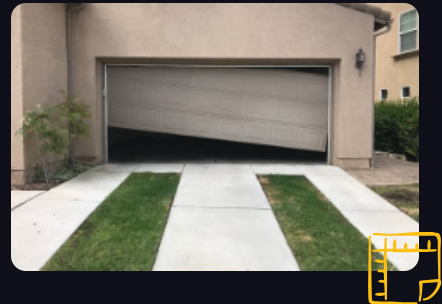
A garage door can have a repairable problem without needing complete replacement. However, major structural damage changes the equation.
Look for:
- Cracked or badly damaged panels
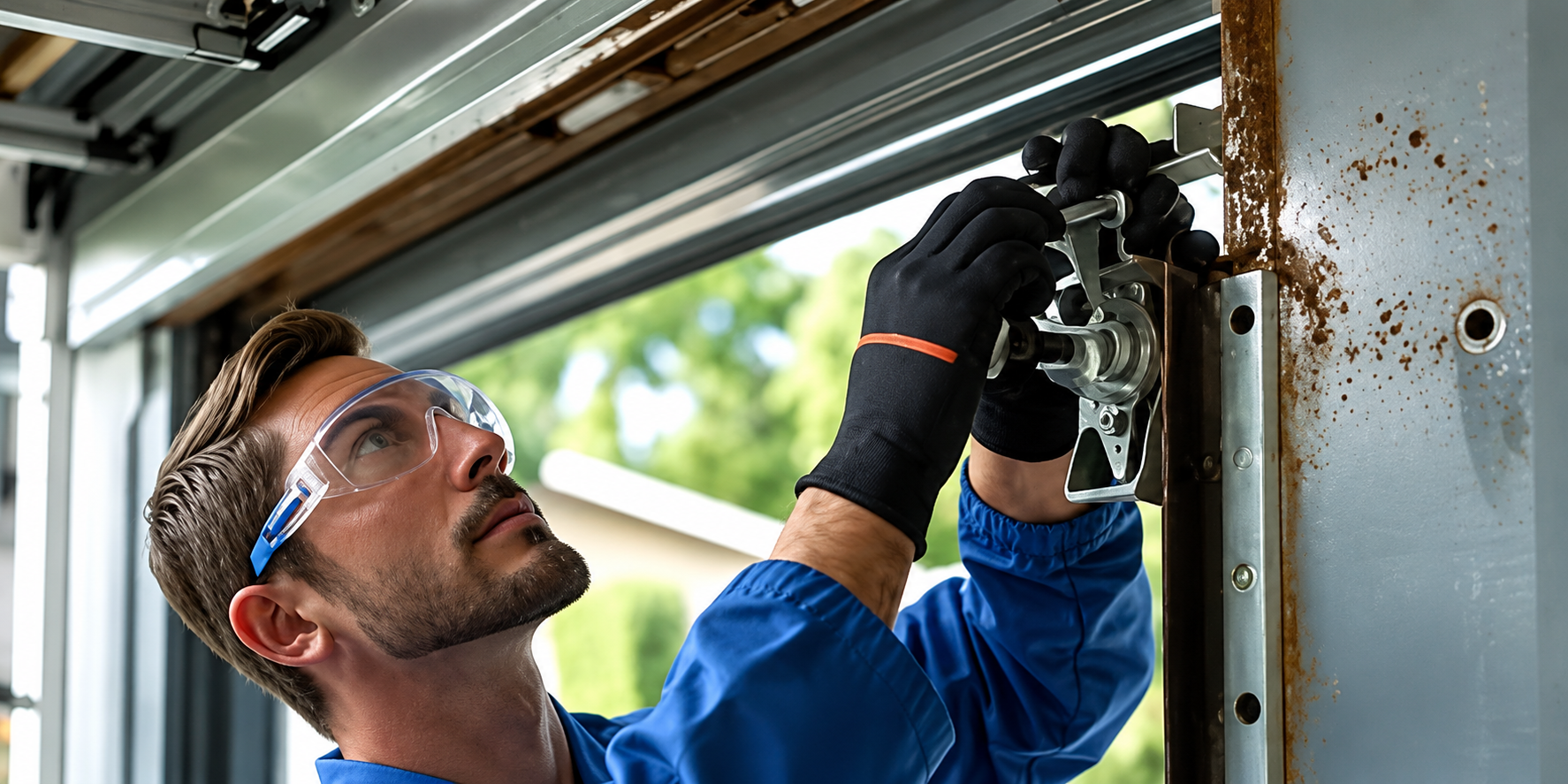
- Significant rust
- Sagging sections
- Bent tracks
- Poor alignment
- Excessive movement or vibration
A small dent may be cosmetic. Multiple damaged components can affect balance, operation, and safety.
Furthermore, if you can’t identify the cause of the problem, have the entire system inspected rather than replacing the first damaged part you notice.
4. Are the Safety Features Working Properly?
Garage doors are heavy moving systems, so safety should never be treated as an afterthought.
Check whether the opener’s photo-eye sensors and auto-reverse function work correctly. Older equipment may also have worn components or outdated safety technology.
If the door isn’t reversing properly or its safety features aren’t functioning as intended, stop using it until the issue has been evaluated. A repair may solve the problem. If several parts of an older system are failing, upgrading the opener or replacing the door may be the better long-term choice.
5. Can You Still Get Replacement Parts?
This is especially important with older garage doors and openers.
If parts are discontinued, difficult to source, or expensive to obtain, even a relatively simple repair can become frustrating and costly.
Ask whether the required parts are still readily available. If technicians repeatedly struggle to find compatible components, replacement may make more sense than keeping an obsolete system running.
6. Would Better Insulation Make a Difference?
If your garage is attached to your home or used as a workspace, the garage door’s insulation can affect comfort.
Older single-layer or poorly sealed doors allow outdoor temperatures and noise to enter more easily. A modern insulated garage door can provide better temperature control and reduce outside noise.
The benefit depends on your climate, garage construction, existing insulation, and how you use the space. If energy efficiency and comfort are priorities, include insulation when comparing replacement options.
7. How Often Are You Paying for Repairs?
One repair isn’t necessarily a reason to replace your door.
Repeated repairs are different.
If you’ve replaced one component recently and another fails a few months later, those service calls can quickly add up. Frequent breakdowns can indicate that the door or opener is approaching the end of its useful service life.
Ask yourself:
How much have I spent repairing this garage door during the past one or two years?
If repairs have become a recurring household expense, compare that cost with the price and expected lifespan of a new system.
8. Which Option Offers Better Long-Term Value?
The cheapest option today isn’t always the cheapest option over time.
Repairing a newer door with one worn component may be the smartest choice. Replacing an older door with repeated failures may provide better reliability, appearance, safety, and fewer unexpected service calls.
Think about your plans, too. If you’re selling your home, an outdated or damaged garage door can hurt curb appeal. If you’re staying for years, a dependable replacement may provide greater convenience and peace of mind.
Repair or Replace? Use This Quick Guide
| Factor | Repair May Make Sense | Replacement May Make Sense |
| Age | Relatively new door | Older door with recurring problems |
| Repair Cost | One affordable repair | Repairs approach a significant portion of replacement cost |
| Damage | Isolated issue | Multiple structural problems |
| Safety | Safety features work properly | Safety equipment is unreliable or outdated |
| Parts | Parts are readily available | Parts are discontinued or difficult to find |
| Repair History | Occasional repairs | Frequent breakdowns |
| Insulation | Meets your needs | Poorly insulated or badly sealed |
| Long Term Value | Repair restores reliable operation | Replacement offers greater reliability |
What Should You Ask a Garage Door Professional?
Before approving the work, ask:
- What caused the problem?
- Is this the only component that needs attention?
- How much will the repair cost?
- Are replacement parts available?
- How long should the repair reasonably last?
- Would replacement provide better long-term value?
- Are all safety features working correctly?
A reputable garage door professional should explain why the problem occurred, what needs to be repaired, and whether replacement is worth considering rather than simply recommending the most expensive option.
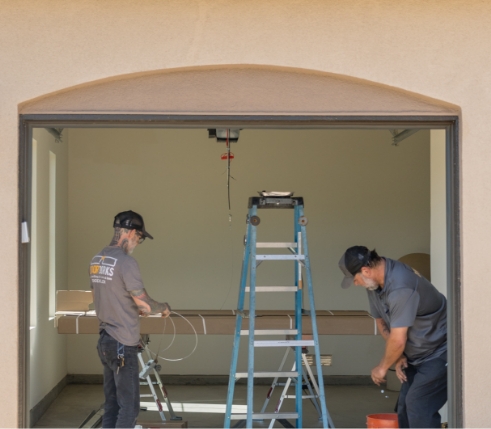
Door Dorks can help homeowners evaluate the condition of their garage door and understand whether repair or replacement makes more sense for their situation.
Frequently Asked Questions
Is it better to repair or replace a garage door?
Repair is usually better for a newer door with one isolated problem. Replacement may be better for an older door with repeated failures, major damage, outdated components, or increasingly expensive repairs.
When should a garage door be replaced?
Consider replacement when the door has significant structural damage, frequent breakdowns, difficult-to-find parts, unreliable safety features, or repair costs that are becoming a substantial portion of replacement cost.
Can one garage door panel be replaced?
Yes. A single panel can often be replaced when a compatible panel is available and the rest of the door remains in good condition. For older or heavily damaged doors, complete replacement may provide better value.
Why is my garage door making loud noises?
Grinding, rattling, squeaking, or banging can result from worn rollers, loose hardware, poor lubrication, track problems, damaged springs, or other mechanical issues. Persistent or worsening noise should be professionally evaluated.
Final Takeaway
Don’t replace a garage door simply because it’s old—and don’t keep repairing one simply because repair is cheaper today.
Look at the complete picture: age, repair cost, structural condition, safety, parts availability, repair history, insulation, and long-term value.
If one affordable repair can restore a relatively new door, repairing it may be the smart choice. If an aging door keeps breaking down and repair costs continue climbing, replacement may save you money and frustration over time.
If you’re unsure which option is right for your garage, Door Dorks can help you understand the condition of your existing system and make a more informed repair-or-replacement decision.